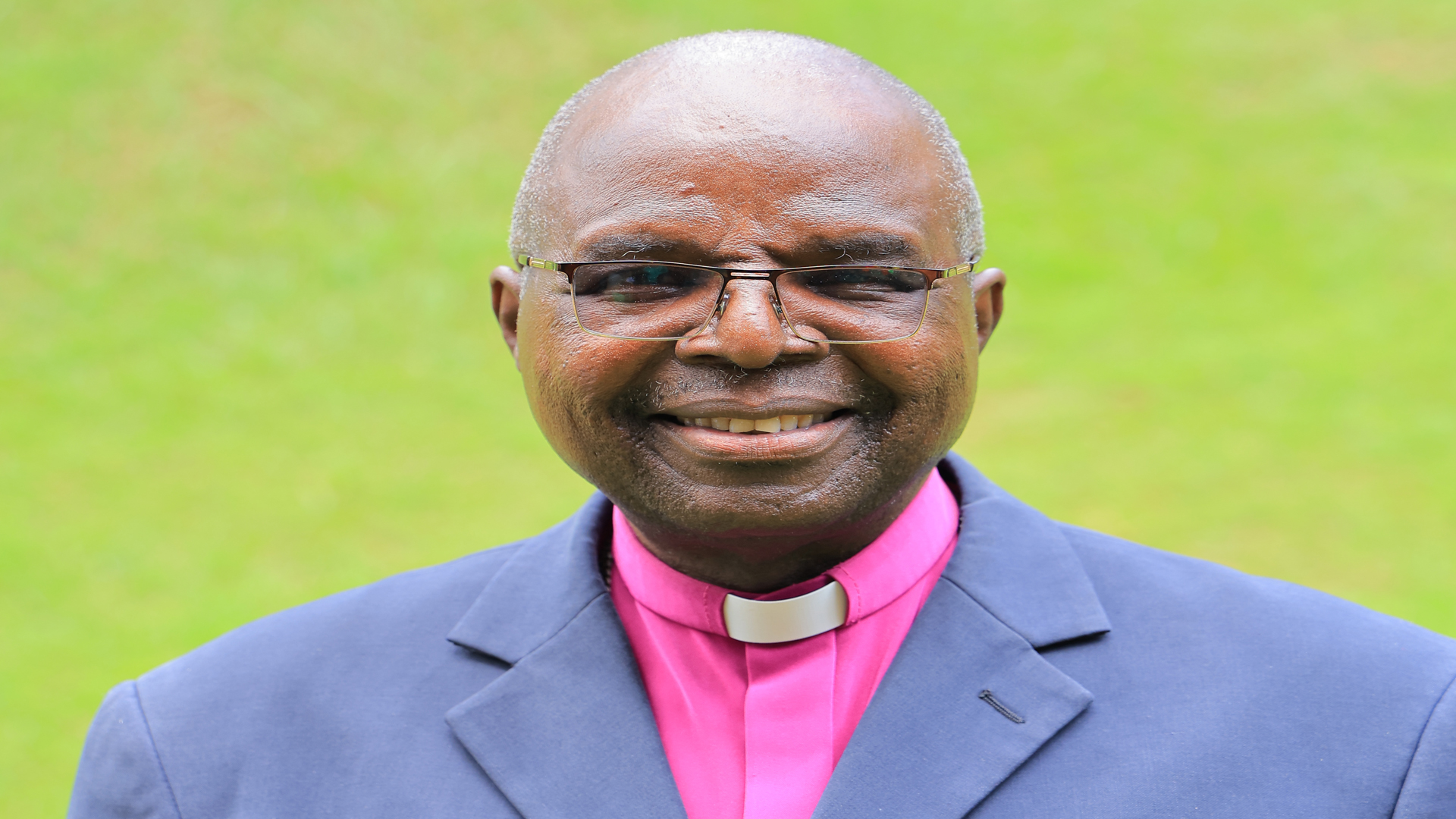
In an age of populism now fanned by social media, Olara Otunnu stands tall [not by height] because he stands on a long, solid foundation built over years of honest, ethical leadership, fuelled by character and conviction—a rarity in today’s political epidemic of self-seeking, ill-mannered leaders and undiplomatic diplomats.
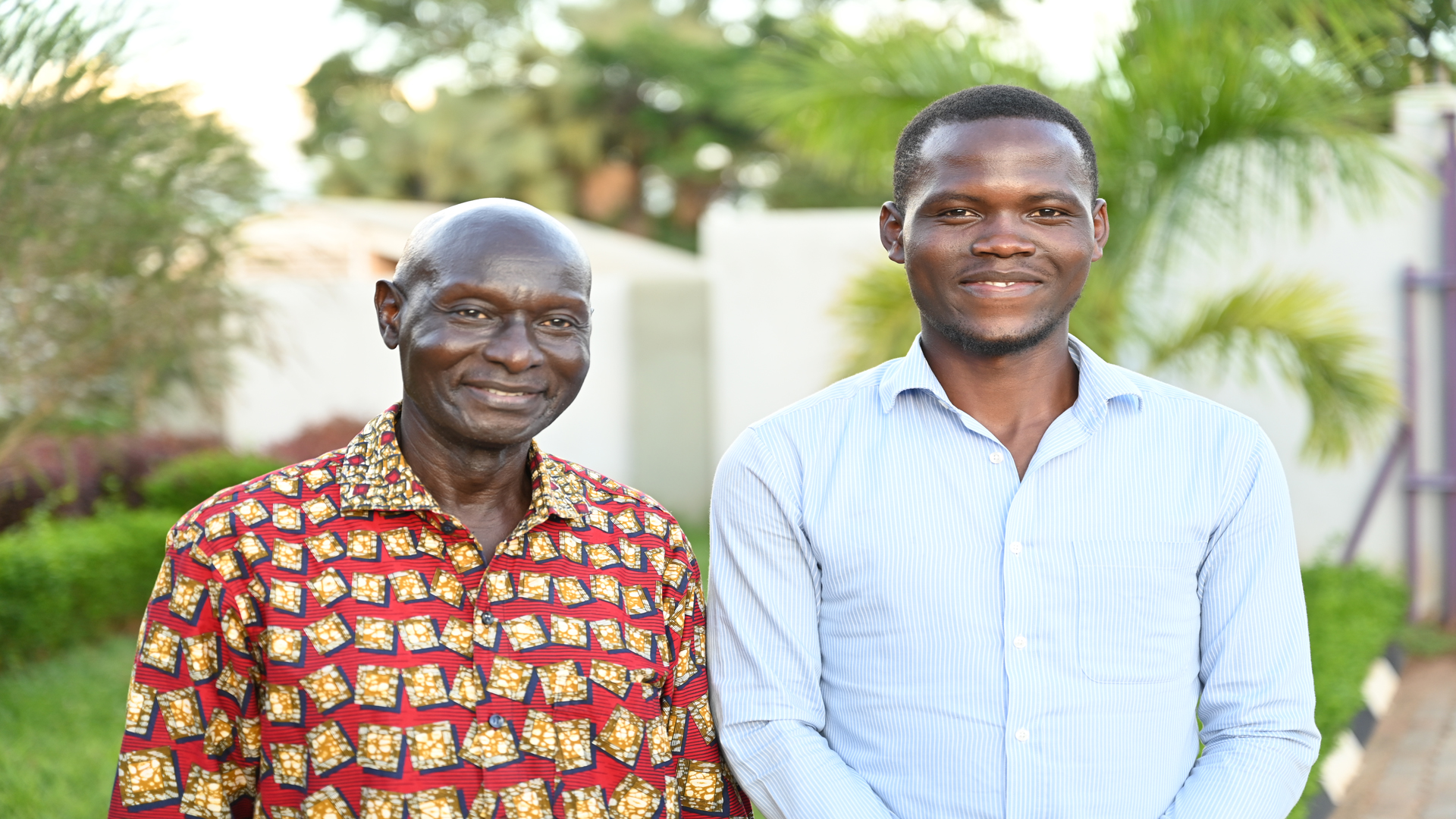
In December 2022, a journalistic venture led me to the Lango and Acoli sub-regions. For two weeks, the brilliant, budding filmmaker Mogal Chris (aka Lango Prince) and I combed through over 20 villages to film a documentary in the communities—through Lira (Boroboro), Agweng, Amach, Aromo and Orit (Bar Lonyo), all the way to the far ends of the “Bangala” landing site on Lake Kyoga, in Namasale Sub-county, Amolatar District. Then on to Gulu.
It was then that I first hobnobbed with Ambassador Olara Otunnu. Fun fact: nearly all the locals call him Ambassador—even the uneducated, who are clueless about the implications or origins of the title. At the time, an American venture capitalist had flown in to meet some national leaders for consultation. The man (name withheld), a former Walmart senior executive, sought viable investment avenues within the Acoli-Lango sub-regions. He wanted to roll out projects with tangible community impact, focused on poverty alleviation and literacy. But first he needed more than just the contemporary, regional pulse; he needed a comprehensive, heavily contextual perspective spanning national and continental scope. Otunnu topped his list of candidates for honest inquiry into the problems and needs of the people up north.
Around the 20th of December 2022, the meeting happened in Lira City: a typical “ekyooto” in a home setting, with two notable religious leaders in the country. There were about seven of us altogether. The conversation stretched into the wee hours of the night until heads began to nod and g-nuts slipped through fingers. But Otunnu and the Mzungu were alert and chatting. The American had done most of the talking at first, occasionally asking Otunnu questions. Gradually, the dialogue understandably pivoted into an Otunnu lecture (as everyone badly needed). His erudite and experiential knowledge, conveyed gracefully and effortlessly, had rendered everyone else mute and learning. Funny how he could whip up more American cultural and geopolitical references than the American himself, who by the end of the chat had probably realised Otunnu knew his own country better than he did.
Everyone retired to bed sufficiently nourished by the Ambassador’s insights on what the Ugandan people really need—and it boiled down to good governance. Don’t be mistaken: throughout his discourse, Otunnu neither took a swipe at the ruling government for its failures nor said anything to favourably position himself before a well-placed white man. He simply did what he has notably done for years—championing transformational and generational causes through sound, eloquent reasoning and intervention.
Following his nomination by the Government of Uganda for the UN’s top job, both political friends and ‘foes’—at home and abroad—are persuaded he is the right man for the role.

The Force behind His Charisma: My Two Cents
Moral Authority
Moral authority has been defined as the power to influence others based on the way you live [privately and publicly], rather than through formal titles, force or legal power. The Christian faith to which Otunnu subscribes prizes integrity [the heart of moral authority], which he has embodied quite well; it is, undoubtedly, the bedrock of his political thought and action. Not to idolise him, but it is quite telling that in a society of scandal-thirsty tabloids, Otunnu’s slate remains clean; even more remarkable is his apparently steady celibacy.
He easily ranks with Germany’s Dietrich Bonhoeffer (1906–1945), theologian and anti-Nazi dissident, except that he is non-combative and not a pastor. And here the parallel turns almost literal. A child of the famed East African Revival, Otunnu was discipled by his evangelist parents, Yusto and Josephine Otunnu, the very couple who, in 1948, led a young schoolteacher to Christ in their Acholi village. That schoolteacher was Janani Luwum: the future third Archbishop of the Church of Uganda, murdered by Idi Amin in 1977 for confronting the regime’s killings, and today one of only ten twentieth-century martyrs carved above the west door of Westminster Abbey. Otunnu didn’t merely read about such lives; he was raised inside the very revival that forged them, in the same Mucwini village that gave the Church its martyr.
During that meeting in Lira, he revealed efforts he and other Church leaders were making to deliver a memorable celebration of the 2023 Janani Luwum Day in Mucwini, Kitgum District—fitting, given that Otunnu himself wrote a biography of the martyr. He spoke passionately about the role of the Church in nation-building and in reconciling a people fractured by affective and identity politics.
Servant Leadership
Otunnu’s Christian conviction shines through his modest, unassuming personality and his approach to leadership, in the way he treats his driver, and in how gently he engages ordinary folks while strolling through Gulu city. He blends in with the least of men. When I first saw him, he was going about in gumboots, a neatly lacklustre shirt and trousers, with a marathon-kit-style bag (like those from the Kabaka Run) strapped to his shoulder. Otunnu is not one to gloat about his many [earned] privileges. Neither does is he media hungry: Until his nomination on July 24, 2026, last the public saw/heard from him was when he nobly led a 70-person Acoli delegation Bondo, Kenya, to honour fallen, Kenyan political leader, Raila Odinga.
The man’s simplicity belies his impeccable CV: an Ivy League and Oxbridge education and a diplomatic career few can match. In December 1981, presiding over the UN Security Council as it deadlocked over who would be the next Secretary-General, Otunnu devised the confidential straw-poll system still known today as the ‘Otunnu Formula’; the very method that will now weigh his own candidacy.
In an age that glorifies appearance over substance, one might naively ‘size the man down.’ I think he would be unfazed if that happened. A man who thinks of himself in right measure [not more, not less] can only be so fazed by those who seek to size him.
A Modest Proposal
Whether or not Otunnu clinches the UN Secretary-General role, Uganda should honour him in a most befitting way. Leaders like Otunnu are increasingly in short supply like virgins in Kampala.
Uganda’s elite have already opined on just how ill-timed and late (by over three decades) his endorsement for the United Nations comes; regardless, it is a good signal. We still have a chance to do the right thing—establish an institution and name it after Olara Otunnu. Something like the ‘Otunnu Diplomacy Institute’ (ODI), or the ‘Otunnu Leadership Institute’ (OLI)—whatever! I don’t care if this seems a naïve ask by a hero-worshipper who is clueless about the past and present tensions in Ugandan politics.
The foundation should be a leadership institute with four core mandates:
- An Academy to mentor Ugandan youth pursuing, or seeking to make an impact in, careers in diplomacy, governance, international relations, development economics and the like. It would also serve as a mandatory training ground for orienting new emissaries appointed by the Head of State.
- A Think-Tank: the official government think-tank on foreign affairs and policy.
- A Fellowship bringing together career diplomats and former political appointees to inform the think-tank and build institutional memory.
- An Awarding Institute: the sole government body conferring honours for distinguished diplomatic service (strictly for emissaries), something like the ‘Otunnu Diplomatic Service Award.’
ODI or OLI—whatever we call it—would be a sort of Kyankwanzi, but strictly academic and not political. While he still breathes, Olara would be appointed Founding Principal and Patron, to help develop the curriculum and guide the trajectory for sustained ethical-leadership training.
But alas! We are not serious [enough?]! Cheap politics always gets in the way!